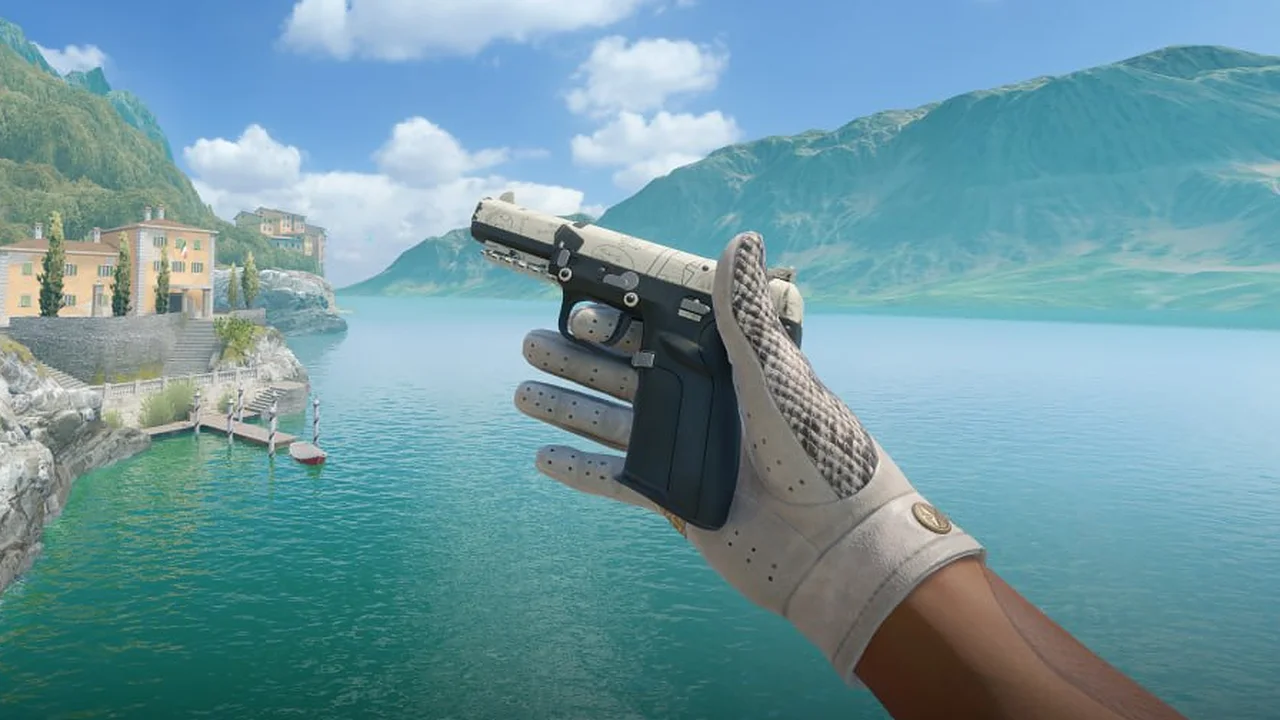
The Five-SeveN | Kami is a cheap skin. It dropped out of the Winter Offensive Collection in December 2013 as a Mil-Spec, it sits at a few dollars in most conditions, and nobody has ever bought one for the artwork alone. What people buy it for is the paint seed.
Kami is a hydrographic finish: the print is dipped onto the model rather than painted to fit it, so where the sheet lands is decided by a number rolled per copy. On the back of the slide — the part you stare at for the whole round — that number is the difference between an unreadable smear of manga art and a recognisable face, animal, or something the community found rather funnier than that. A seed is one of roughly a thousand, which makes any single pattern about a tenth of a percent of the copies in circulation.
Below are ten seeds worth knowing. Every picture is the same weapon from the same angle, so the only thing changing from one to the next is the number.
How to read the links
Each pattern links into the CSFloat database, where the same query is repeated with one number changed:
defIndex=3— the Five-SeveN.paintIndex=265— the Kami finish.paintSeed=— the pattern itself. This is the part that matters.min=0&max=1— the whole float range, because on Kami wear barely changes what you see.
Swap the seed for any number and you have a search for a pattern nobody has named yet.
The Pu**y patterns — 909, 590, 662, 204, 639
There is no polite way around this: the best known Kami patterns are the ones where the print lands as female anatomy, and they are the reason anyone talks about this skin at all. They trade privately, they trade for multiples of the base skin, and the community named them with all the delicacy you would expect.
You will also see them called Puh patterns. It is the same five seeds — the shorthand exists because the real name gets a message filtered on half the trading platforms it is typed into, so if somebody offers you a Puh Kami, this section is what they mean.
909 — the expensive one
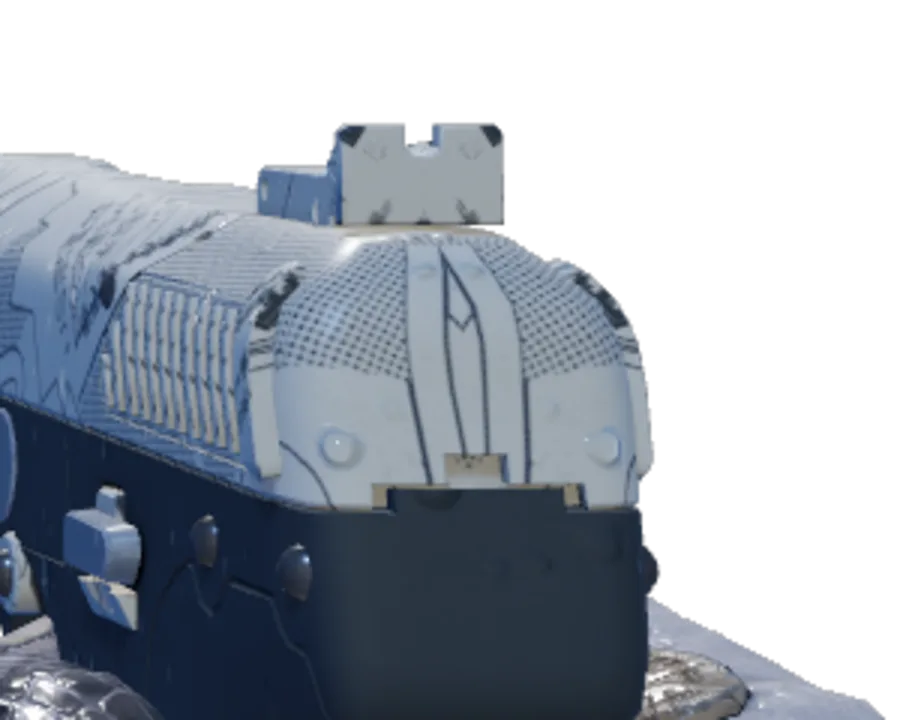
Listed in the community pattern guide as Hairy Pu**y, and the consensus pick for the most valuable Kami in the game. The print puts a narrow vertical form dead centre on the slide and surrounds it with the halftone dot field that earned the name.
It has changed hands around $200 in past years, and asking prices have climbed from there — a remarkable number for a pistol whose Factory New copies sell for about five dollars.
590 — the clean one
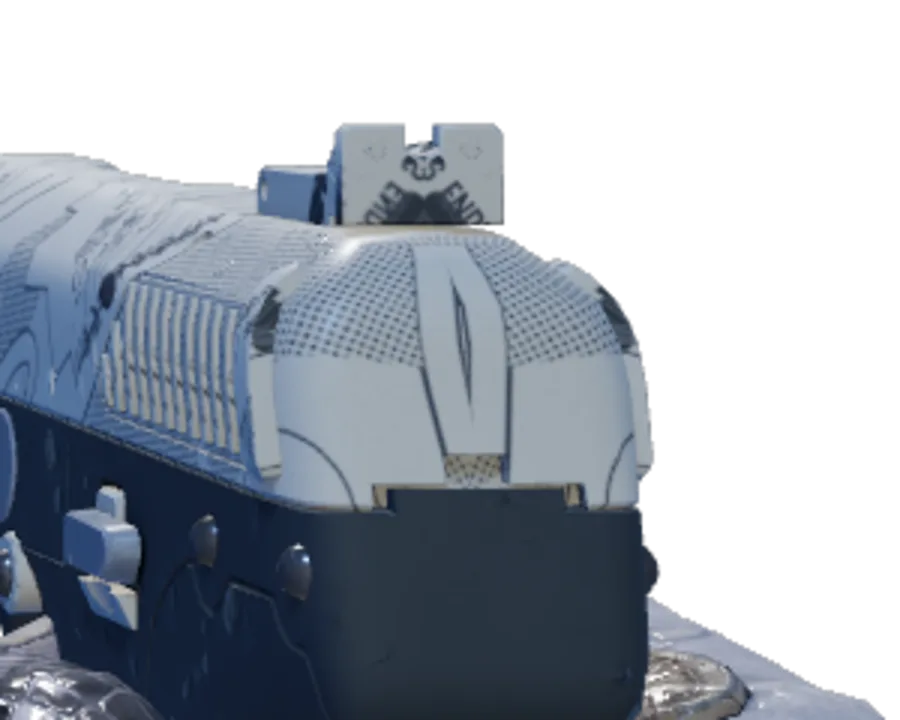
The guide gives 590 the family name with no qualifier, which is the point: it is the most literal of the group, and the one usually shown first when somebody is explaining the joke to a friend who does not believe them.
It is also the tidiest. The shape sits centred and symmetrical between the slide serrations rather than running off an edge, which is most of why this one reads at a glance and some of the others need a second look.
662 — the third of the big three
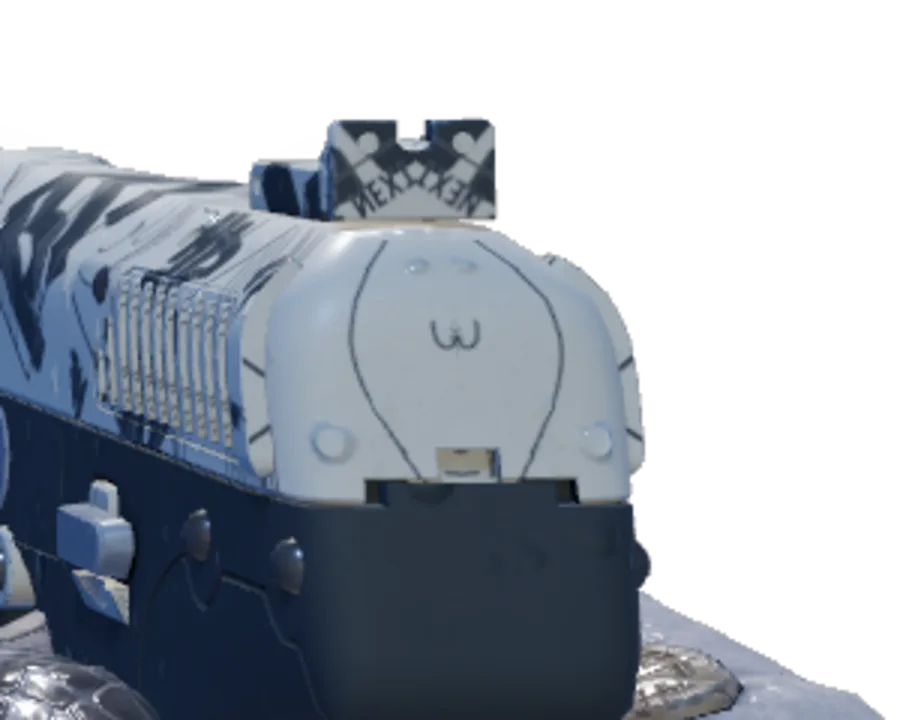
Unnamed in the guide, but named constantly everywhere else. 909, 590 and 662 are the trio quoted together whenever the topic comes up.
662 is the ambiguous one. The print leaves a wide rounded outline with two dots and a curved mark inside it, which one half of the community reads as a cat face and the other half reads as the reason this section exists. Both camps want it, so it holds its price either way.
204 — Tight Pu**y
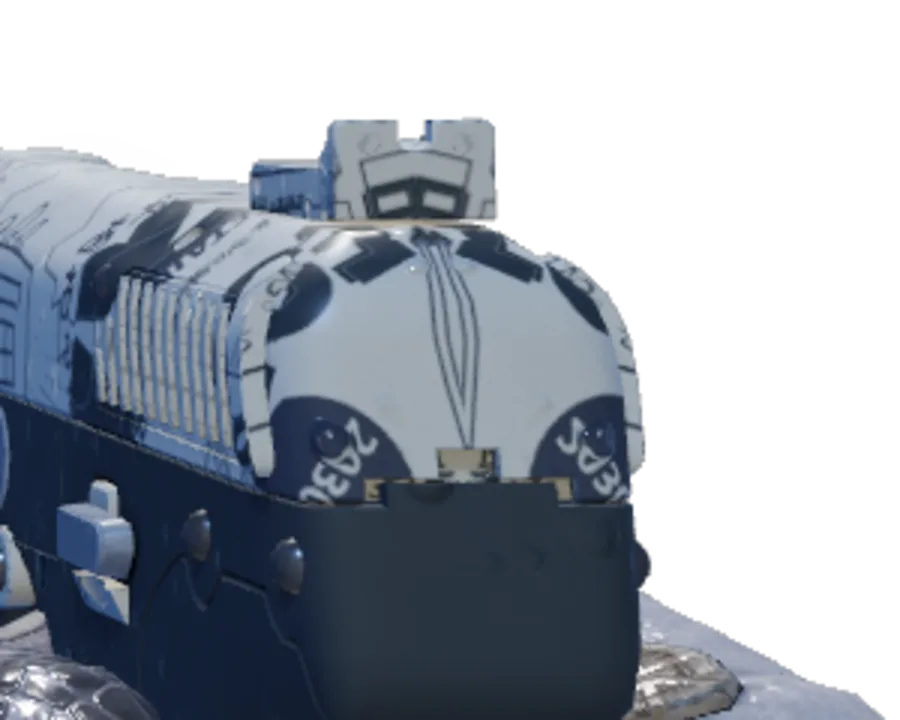
A narrower read of the same shape, with the print's darker panels closing in from both sides of the slide and leaving a thin pale gap down the middle. That framing is what separates it from 590.
Cheaper than the top three and easier to actually find, which makes it the sensible entry point into the family.
639 — Bullet Pu**y
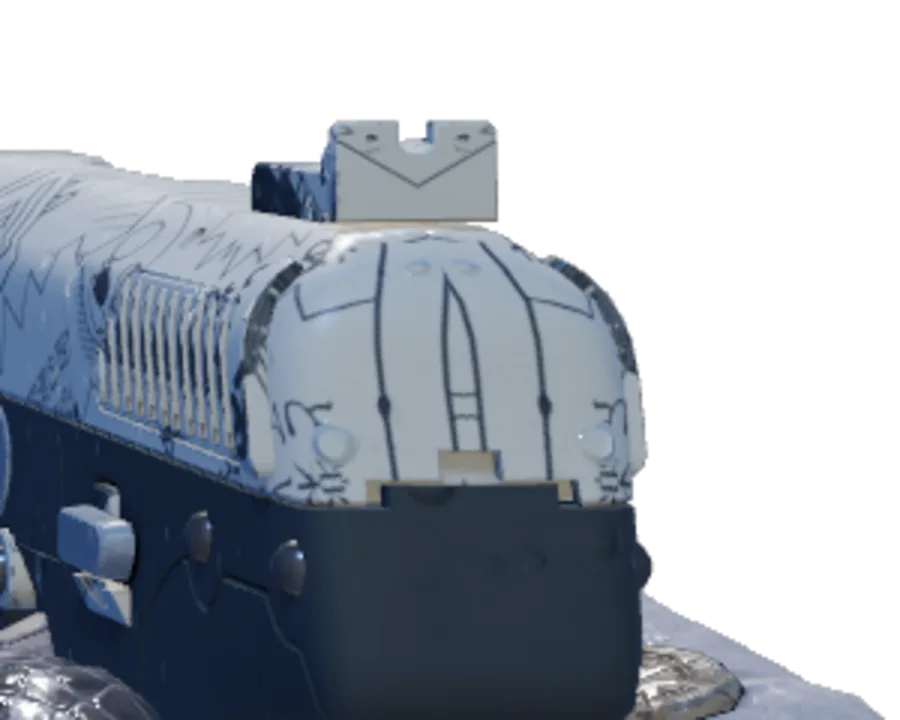
Named for the shape itself: the print leaves a form in the centre of the slide that looks like a cartridge standing on end, with long lines running down either side of it.
Distinct enough that collectors treat it as its own thing rather than a lesser 590.
The rest — 906, 376, 537, 403, 439
Not everything good about Kami is a joke about anatomy. These five are the patterns people keep because they are genuinely nice to look at.
906 — Togepi
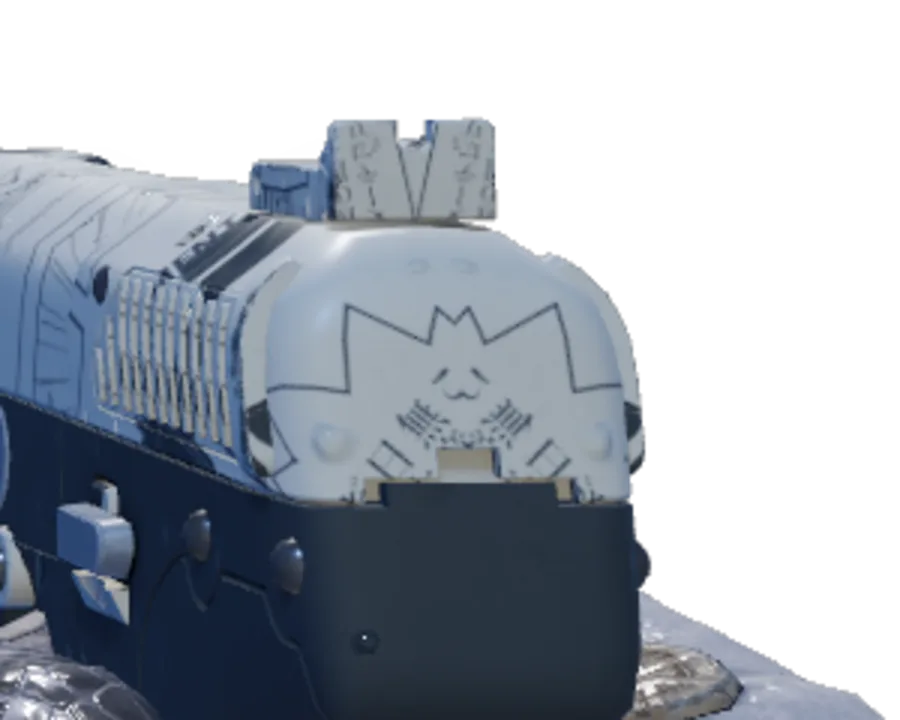
A jagged crown of a line runs across the top of the slide, two dots sit under it as eyes, and a small mouth finishes it off — a creature peering out of a cracked eggshell, close enough to the Pokémon that the name stuck permanently.
If you want a Kami you can show anyone, this is it.
376 — Walrus, or the Angry Merchant
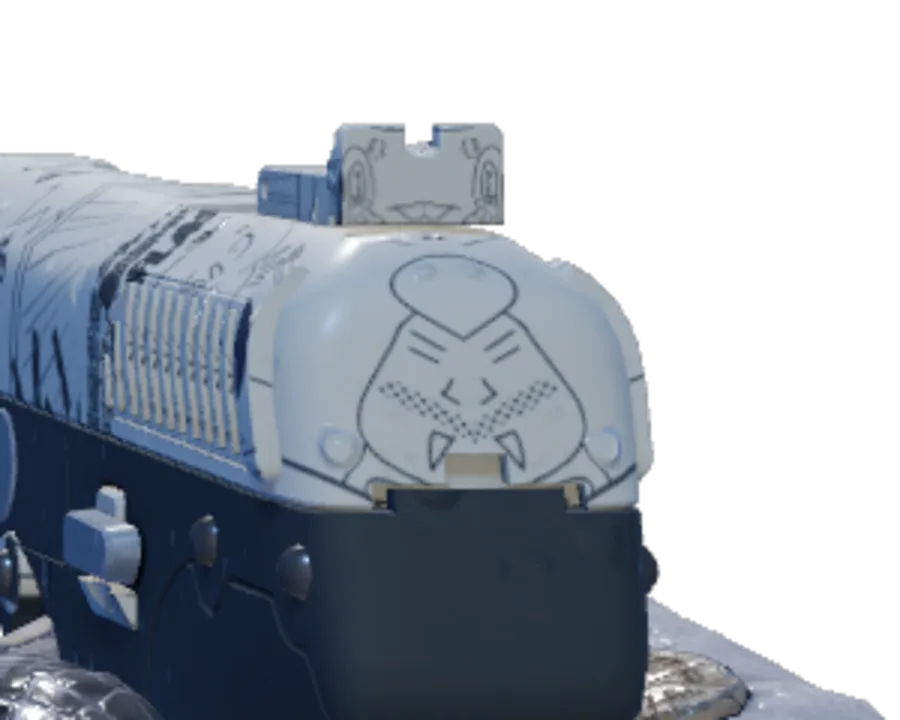
A face, unmistakably: heavy brows, a nose in the middle, and a drooping moustache that hangs down over the bottom edge of the slide like tusks.
That moustache is the whole argument. The pattern guide files 376 as a Walrus; other collectors see a merchant scowling at you for haggling. Same print, two readings, and no authority to settle it.
537 — Smile Face, or ^v^
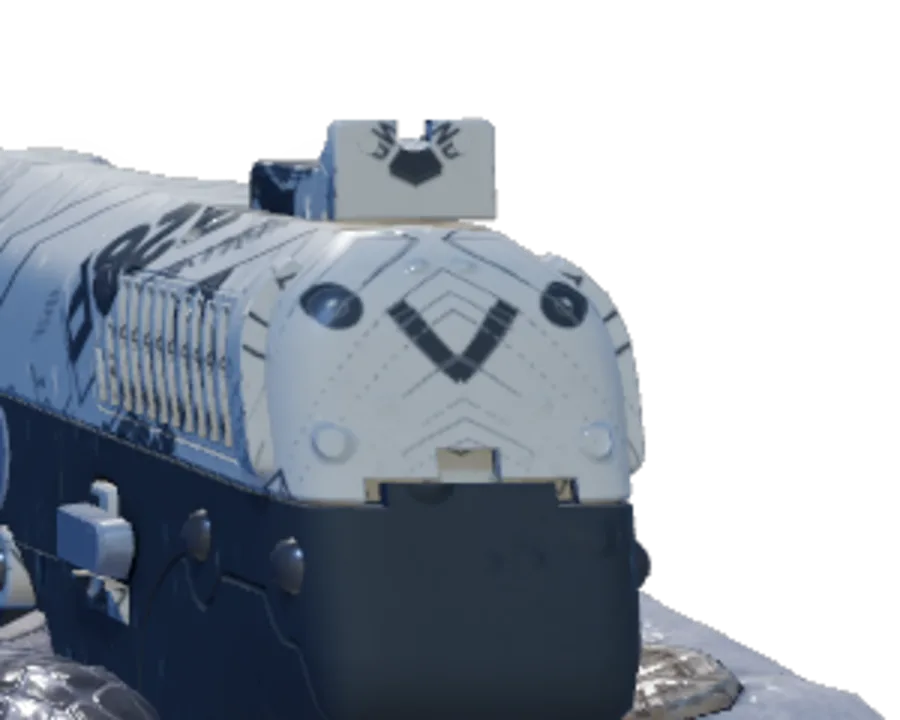
Two round dots sit either side of a big open V, and the slide turns into an emoticon — a face mid-grin, or a bird, depending on how long you look at it.
One of the cleanest and most symmetrical seeds in the set, and the easiest to recognise from across a lobby.
403 — Double Eyes, or Owl Eyes
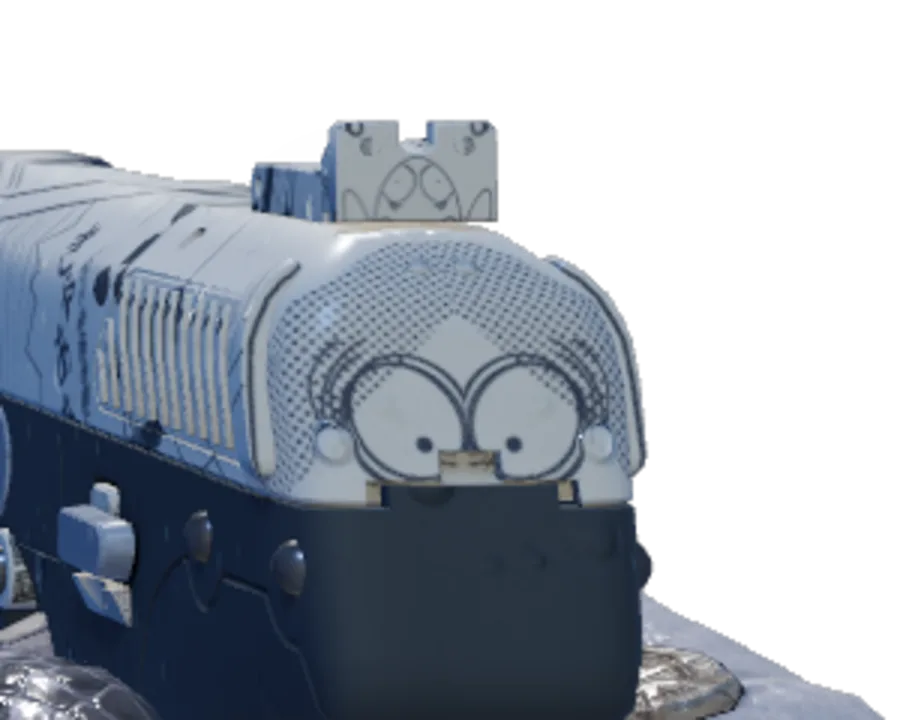
Two enormous round eyes with dark pupils, sitting under a field of dots that reads as feathers. The guide calls them Double eyes; almost everyone else lands on an owl.
It is the most literally staring pattern in the set, which is either the appeal or the problem.
439 — whatever this is
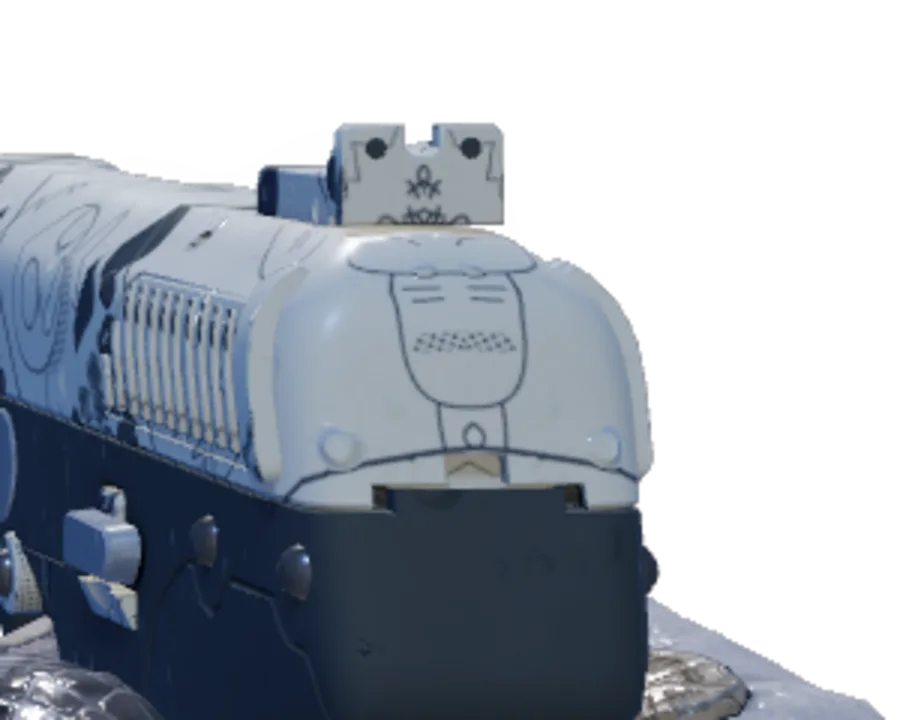
The pattern guide never named it, and looking at it does not help much. There is a flat cap or dome across the top, something like a face under it, and a band of hatching below.
The readings on offer are a sleepy man in a bicycle helmet and a mushroom. Neither is convincing. It is on this list because it is memorable, not because anyone can tell you what it is.
What a pattern is actually worth
Careful here, because this is where people lose money in both directions.
A marketplace prices Five-SeveN | Kami (Factory New). It does not price seed 909. Every price you see on a chart — ours included — is the base skin, a few dollars, because that is the item the market has a listing for. The pattern premium lives entirely in private trades and in what one collector will pay another, and it is negotiated rather than quoted.
Two consequences. If you are buying, a three-figure ask on a Kami is not automatically a scam — it is also not backed by anything you can look up, so treat the seed guides as opinion and pay what the pattern is worth to you. If you are selling, the opposite: a Kami sitting in your inventory at its market price may be worth a great deal more than the number next to it, and the only way to find out is to check the seed before you dump it into an instant-sell.
Wear is close to irrelevant for all of this. The print sits on the slide rather than across a painted body, so a Field-Tested copy of a good seed reads much the same as a Factory New one and costs a fraction. Buy the pattern, not the float. StatTrak is its own oddity: the counter adds nothing on a budget meme pistol, and StatTrak Factory New copies have often sold for less than plain ones.
Going looking
The workflow is short. Pick a seed from this page, open its CSFloat database link to see the pattern on a real copy, then check what the plain skin costs across marketplaces so you know what the base is before anyone quotes you a premium on top of it.
You can do that last part here: Kami in the Skin Pulse catalogue. And if you own one already, sync your inventory and the price of every condition is tracked for you daily.
Sources
Pattern names come from the community's comprehensive Kami paint seed guide on Steam, which catalogues over ninety seeds with pictures of each. The alternative readings are the ones that circulate on trading forums alongside it. The screenshots show each seed in the inspect view, framed identically so the patterns can be compared. Prices quoted are as of August 2026 and will not stay true.